The Tapir
The Tapir
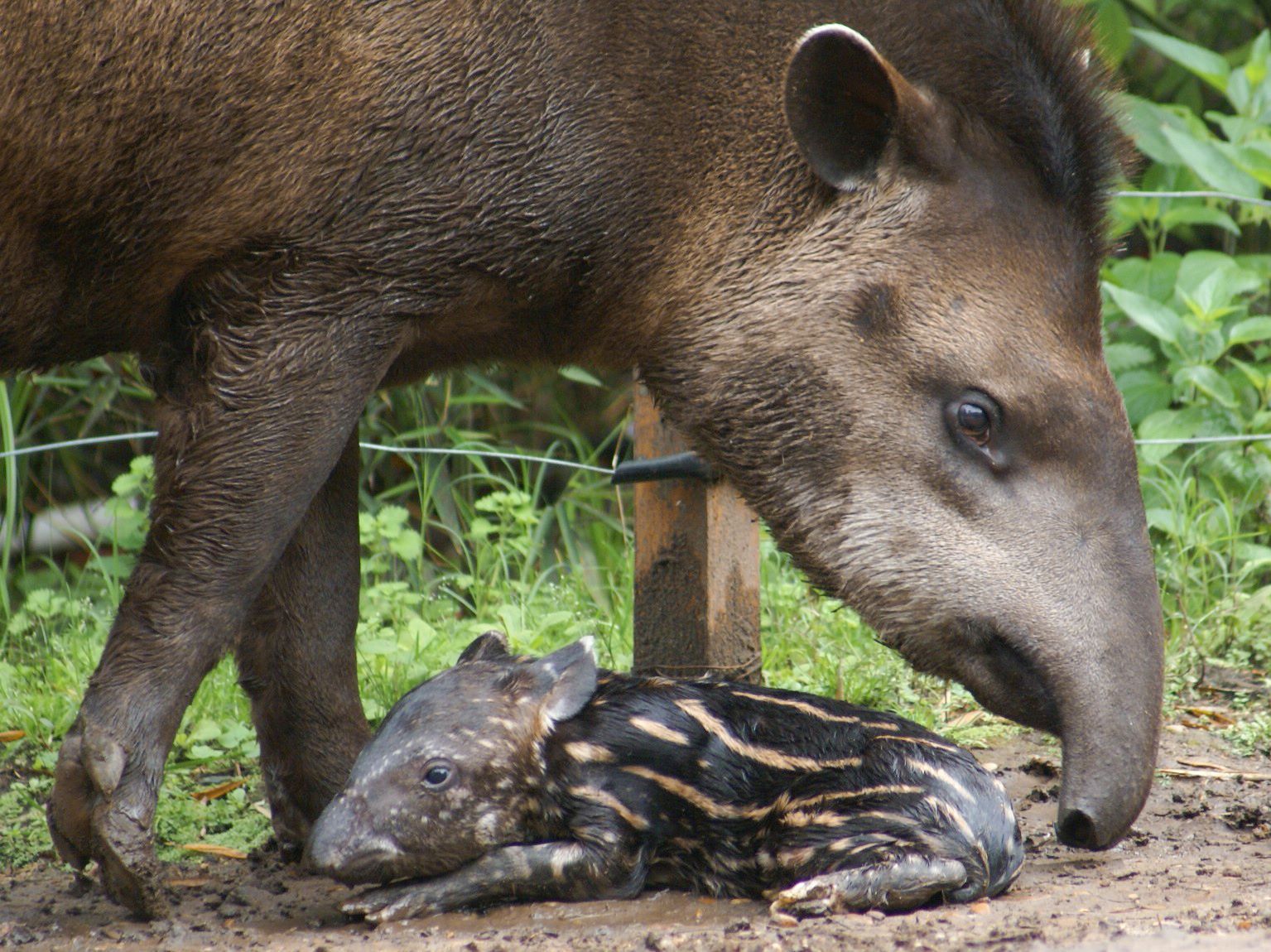
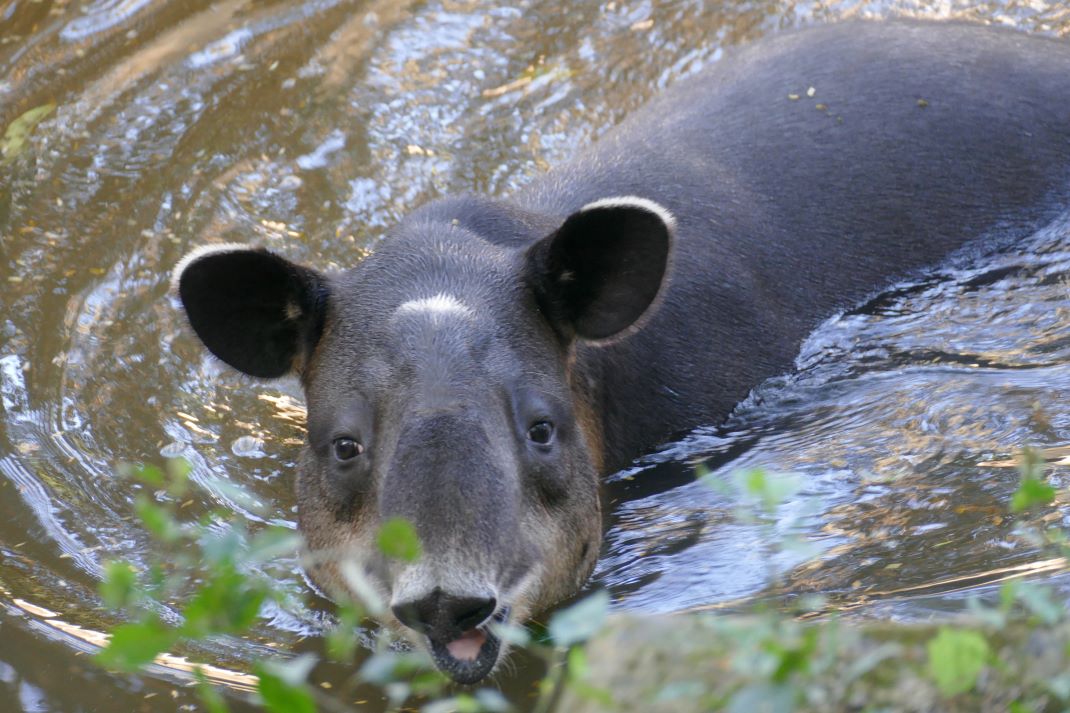
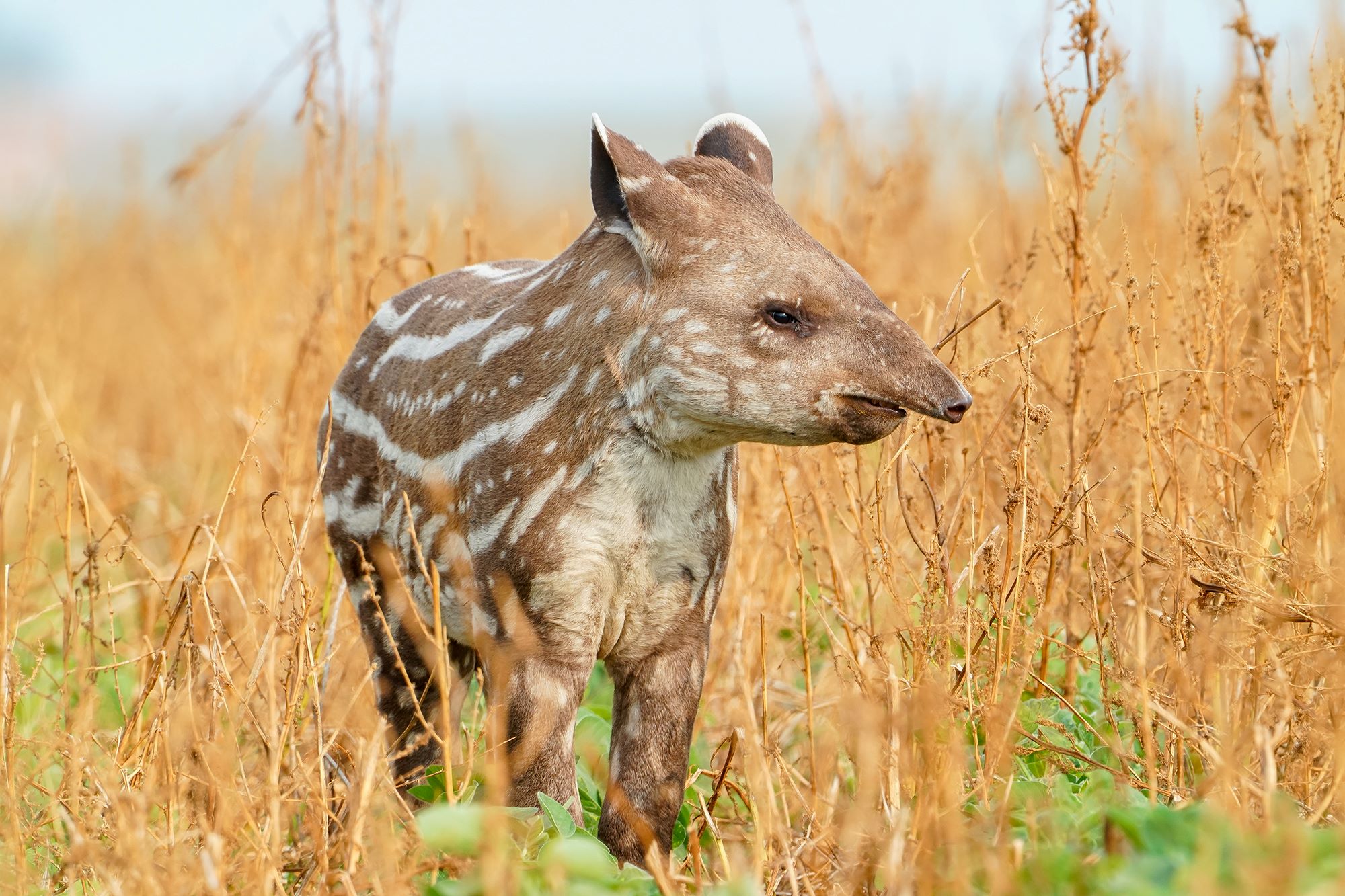
The tapir is a mammal native to South America. Its name comes from the Guarani word "tapiich," and it belongs to the perissodactyl group, which also includes horses and rhinoceroses, its closest living relatives. Its lifespan ranges from 25 to 30 years, and its weight ranges from 150 to 600 kilograms, making it the largest native mammal.
Its long snout is primarily used to pluck leaves, grasses, and roots, which constitute its diet. Known as the "gardener of the jungle," its role within the ecosystem is fundamental, as it disperses seeds, aiding in the regeneration of mountain forests.
Tapirs inhabit humid forest regions like the Yungas of Tucumán, and their main threat is human activity, manifested through overhunting and habitat destruction. So much so that today all species of its genus are classified as "vulnerable" or "endangered," which underscores the importance of the social awareness campaigns carried out by public and private institutions.
Currently, a tapir reintroduction project is underway in the province, led by the Faculty of Natural Sciences and the Miguel Lillo Institute of the National University of Tucumán. This project focuses on breeding and readapting the species at the Horco Molle Reserve for its future release in the Sierra de San Javier.
With the aim of promoting knowledge of this species and raising awareness among residents of Tucumán and the rest of the country about the importance of its preservation, the Tucumán Tourism Board presented the tapir "Wayki" as a tourism ambassador for the province.