Freedom Roads - José de San Martín National Passport
Freedom Roads - José de San Martín National Passport
Did you know that, along with 12 other jurisdictions in the country, Tucumán is part of the route taken by our Liberator, General José de San Martín? Learn about the historical sites of the province.
Within the framework of the Caminos de la Libertad (Freedom Roads) product, San Martin National Passport, the province is part of the program that seeks to enhance the image of our Hero and will distinguish the first three Argentines who manage to complete their Passport, which consists of 85 historical sites linked to the life and work of the Father of the Nation.
Those interested are invited to visit each of these historical spaces distributed in 12 jurisdictions of Argentina, take a photo there, and then stamp their passport in the place or at the corresponding stamping post.
What historical sites are included in the San Martin Passport in Tucumán?
In the province, those interested in knowing those sites linked to José de San Martin should visit:
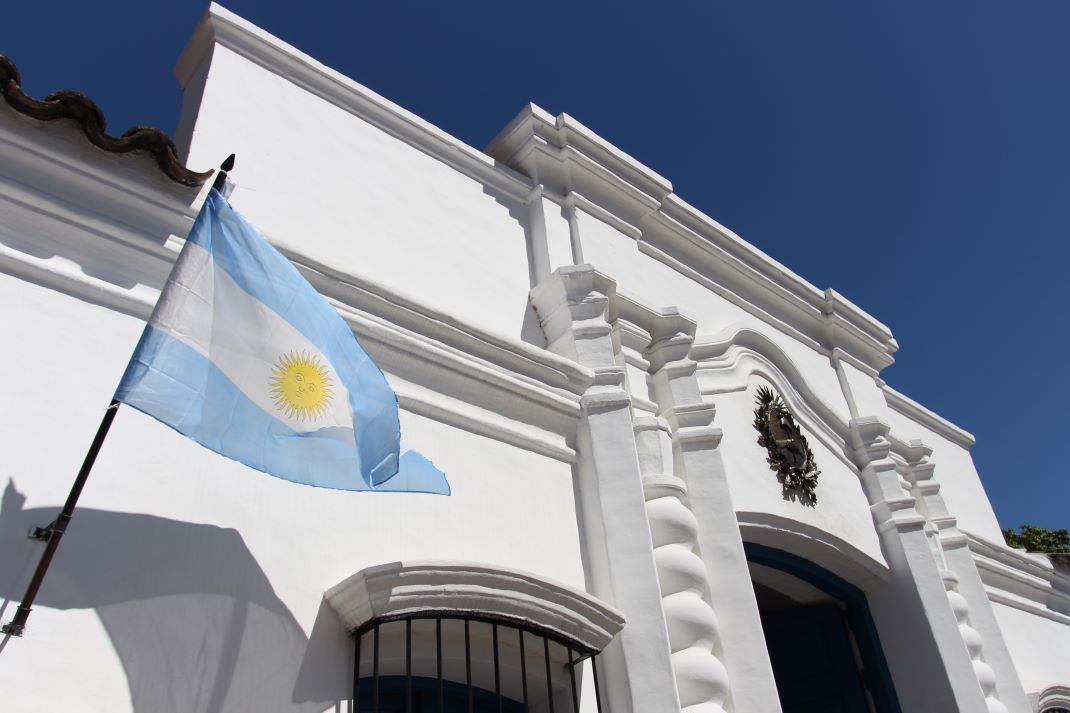
· The Historic House Museum of Independence: the most important museum in the country, where the Congress of Tucumán was held, the event in which the Act of Independence was signed. Although there is no evidence that the hero ever visited its halls, this site is the culmination of the independence process dreamed of by General José de San Martín. The passport stamping point is the museum. Alternatively, it can be stamped at the Tourist Information office in front of Independencia Square.
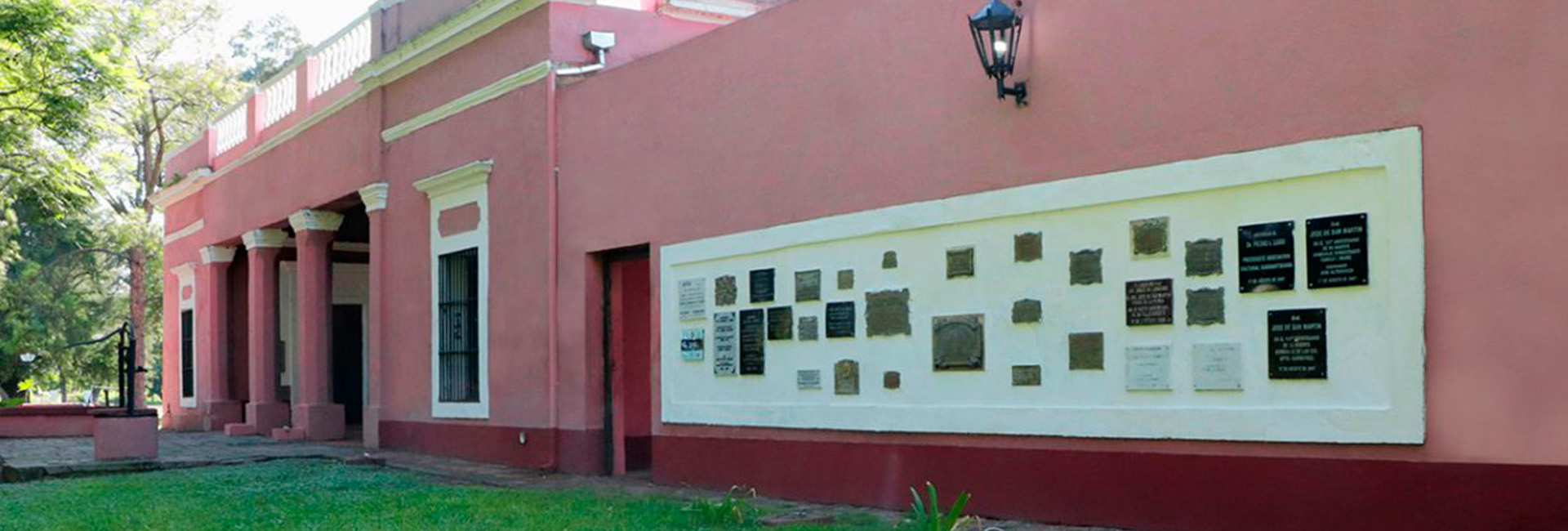
· The Sanmartiniano Museum of Tucumán: located 34 kilometers from the capital, in the department of Burruyacu, is the site where General José de San Martín rested in 1814, before undertaking the campaign to liberate Argentina, Chile, and Peru. The museum exhibits audiovisual material, books, Sanmartiniana iconography, and a replica of the curved sabre that José de San Martín used in the battles of Independence. According to history, he stayed at the La Ramada estate for almost a month, until May 24, 1814. The house from the San Martin period disappeared without its current appearance and location being known. Oral traditions place that the house where the La Ramada de Abajo house is today, built between the end of 1890 and the beginning of 1910, was declared a Provincial Historical Monument on August 14th, 1976 by Law 4,529.
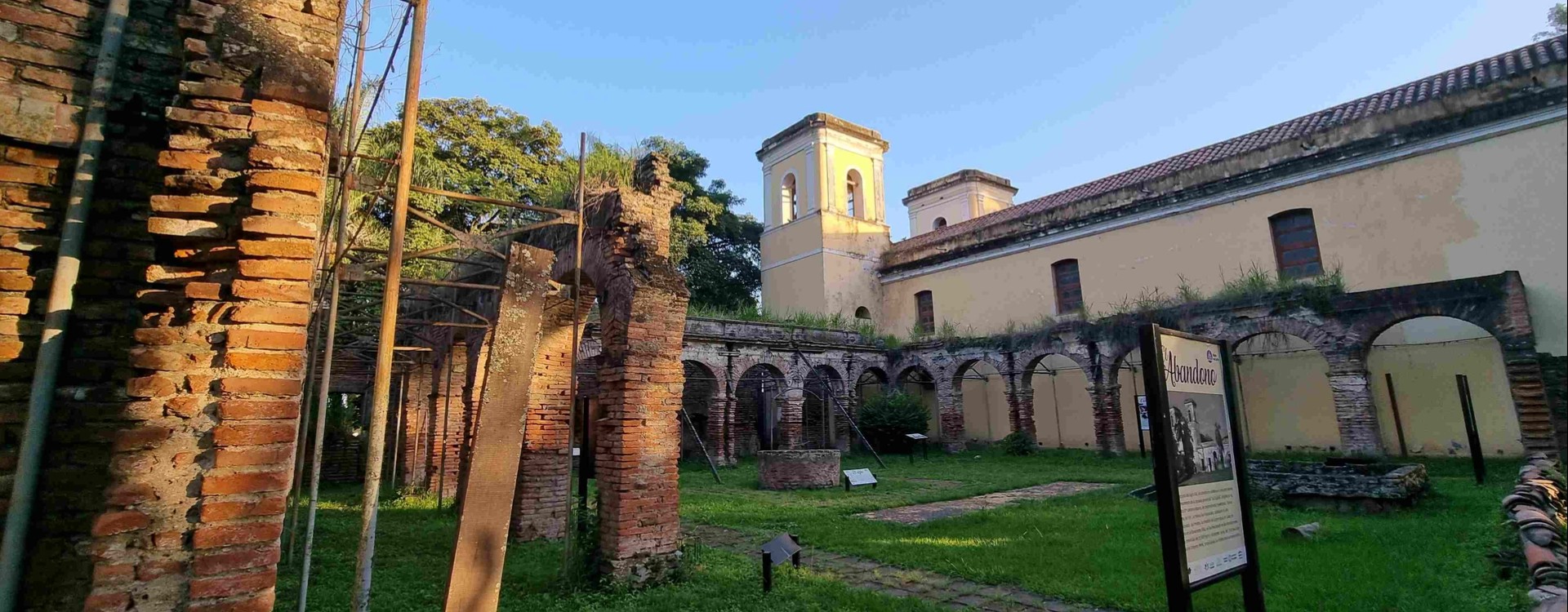
· The Ruins of San José de Lules: this historic site, comprising an old chapel and a convent, was founded by the Society of Jesus in 1670. It is the place where the Jesuits cultivated sugar cane for the first time and it is also the site where our heroes José de San Martín and Manuel Belgrano camped during the wars of Independence. Since 1812, the Tucumán convent was loaned to the Peruvian Auxiliary Army. According to Father González, Brother Julián Perdriel addressed the Prior of Tucumán following the presence of military personnel in the city: “If the case were to arise that our army was to be lodged in that convent, nothing would be more just and honorable than to give all possible way to those who risk their lives to defend ours.” After the Independence campaign was concluded, a small convent was established on the property, which was repaired in 1880. Brother Ángel María Boisdron had the current, larger church built, along with the sacristy and the two bell towers. Today it is a National Historic Monument. The stamping post is in the Ruins of San José. Alternatively, it can be stamped at the Information Office in Lules.
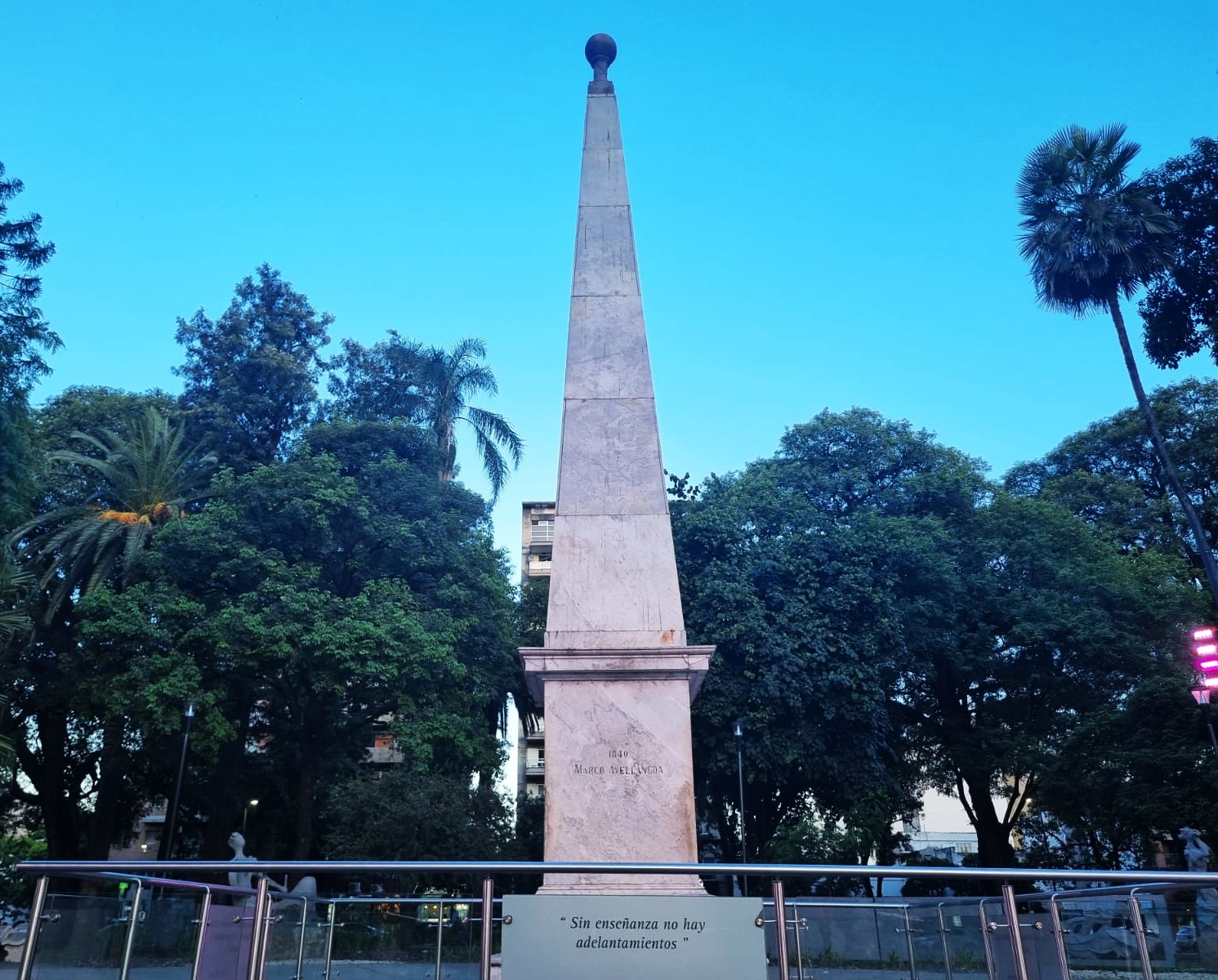
· The Pyramid of Chacabuco: also called the Pyramid of the Citadel, it stands in the current Plaza Belgrano of the capital, the site where the Battle of Tucumán took place, and is the oldest monument. It is a tribute that Manuel Belgrano ordered to be built in honor of José de San Martín and his victories in the Battle of Chacabuco (February 12, 1817) and, surely, also that of Maipú (April 5, 1818). According to Bartolomé Mitre, when it was built, Belgrano told San Martín that the people and the army under his command “thank him for the benefit they owe to his noble efforts, congratulating him with me, as well as his comrades in arms, who have known how to follow in his footsteps to cover the arms of the Nation with glory.” The Passport stamping station is the Casa Belgraniana. Alternatively, it can be stamped at the Tourist Information office in front of Plaza Independencia.
The information on each historic site is endorsed by the Historical Board of Tucumán.