
Multicolored universe: discover Nilda Cruz's weaving workshop
Multicolored universe: discover Nilda Cruz's weaving workshop
The artisan from El Mollar invites you to learn about her ancestral dyeing and weaving techniques.
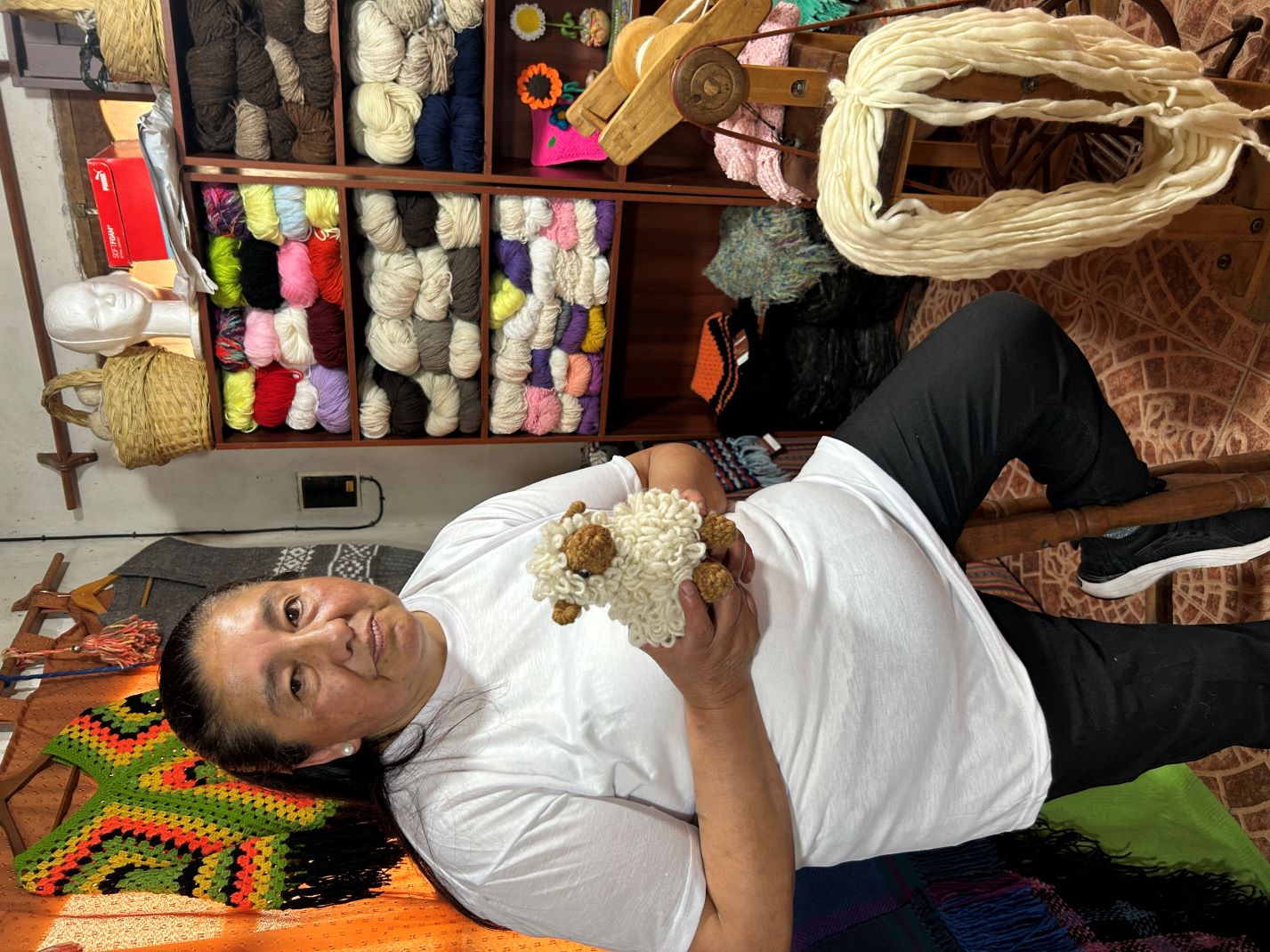

Entering Nilda's workshop in El Mollar is like stepping into a multicolored universe where every object, no matter how ordinary it may seem, can be transformed into art.
As soon as you cross the threshold, greeted by the aroma of homemade bread and local cheese, she proudly demonstrates how yerba mate—"better if it's used," she clarifies with a laugh—can become a soft green poncho; how a walnut shell transforms into a beige vest; or how grape juice from a sachet gives rise to a fuchsia pillow that brightens any corner of the home. The feeling is one of witnessing a small, everyday miracle in the workshop of Nilda Cruz, a long-time member of the Manos del Valle Calchaquí Artisan Route, one of the most authentic tours for discovering the artisanal soul of Tucumán.
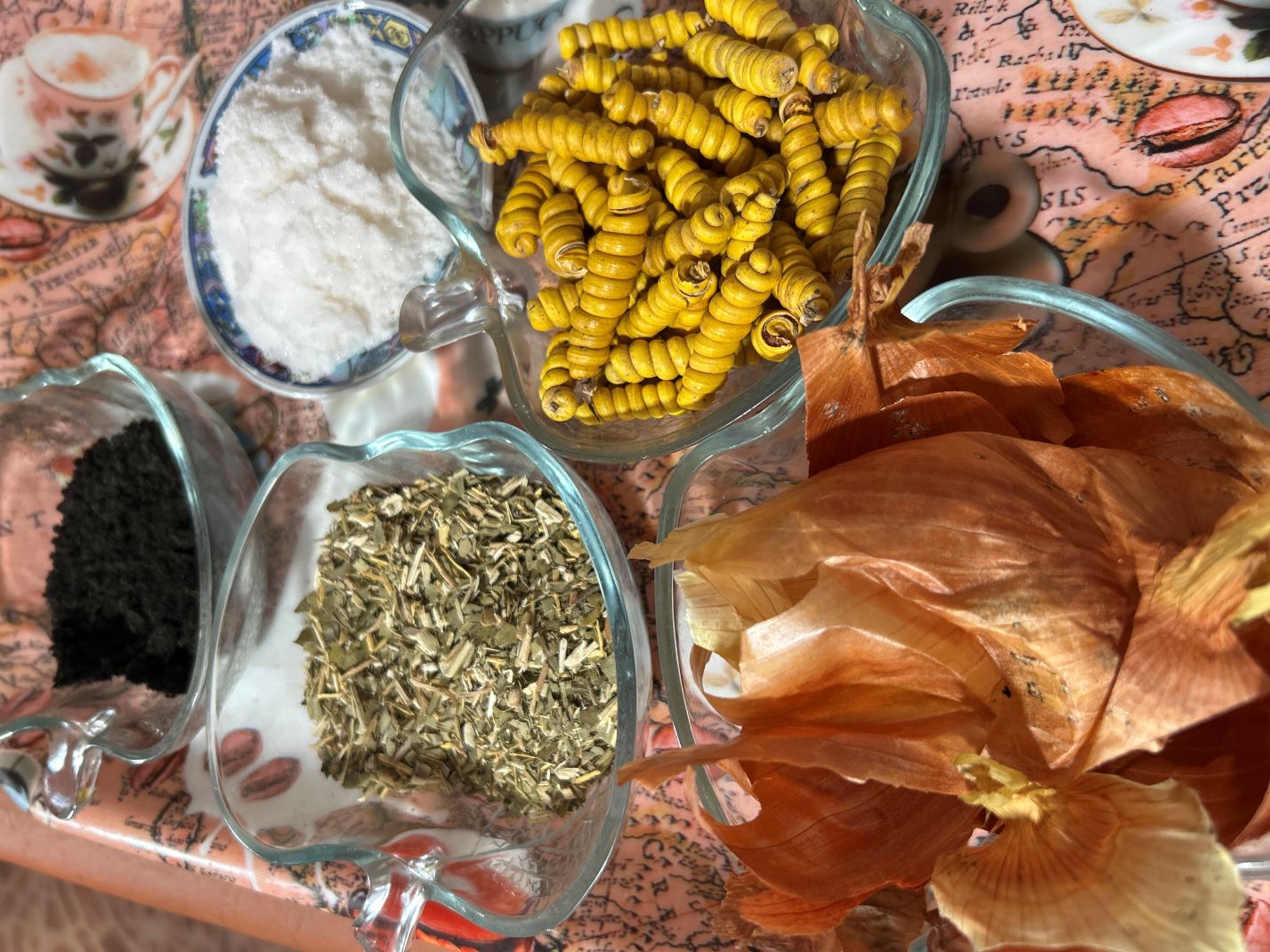
Nilda explains that it all begins with the extraction of the pigment, an ancestral process that uses elements as diverse as chimney soot, onion peels, lemon, or husked corn. This material is simmered in water over a wood fire for a couple of days, until the liquid is infused with colors that surprise all who see it. Llama or sheep wool—the other key element of the process—is then immersed in this colored bath along with alum or white vinegar, which help to fix the pigments. When the water becomes almost clear, the wool is hung to dry before reaching the spinning wheel, where the fibers are twisted and transformed into a thick, strong yarn, ready to take on a new life on a loom, a frame, or with two needles.
Nilda's story is also the story of the valley's textile tradition. “I started when I was eight years old, at a time when I was sick and couldn't get out of bed. A neighbor who visited me taught me how to knit little hats for dolls. For me, it was like therapy,” she recalls about her beginnings. Her dyeing and spinning techniques come from her aunts and grandmothers, guardians of a knowledge passed down from generation to generation. Today, she makes vests, blankets, ponchos, pillows, and small decorative dolls, each one requiring hours of dedication. A child's vest can take her a whole day to make; an adult's, at least two.
“I make a living from this,” Nilda affirms, with a contagious conviction. “This work is everything to me.” That’s why she also dedicates herself to teaching the younger generation. “It’s good for them to learn so that what our grandparents left us isn’t lost. We have that mission.”
Those who visit her workshop not only discover unique crafts: they leave with the colors of the valley in their eyes and the pulse of a living tradition in their hands.

