
El Algarrobo: a plant that gave rise to textiles and dreams
El Algarrobo: a plant that gave rise to textiles and dreams
Discover this artisan workshop in Amaicha del Valle.
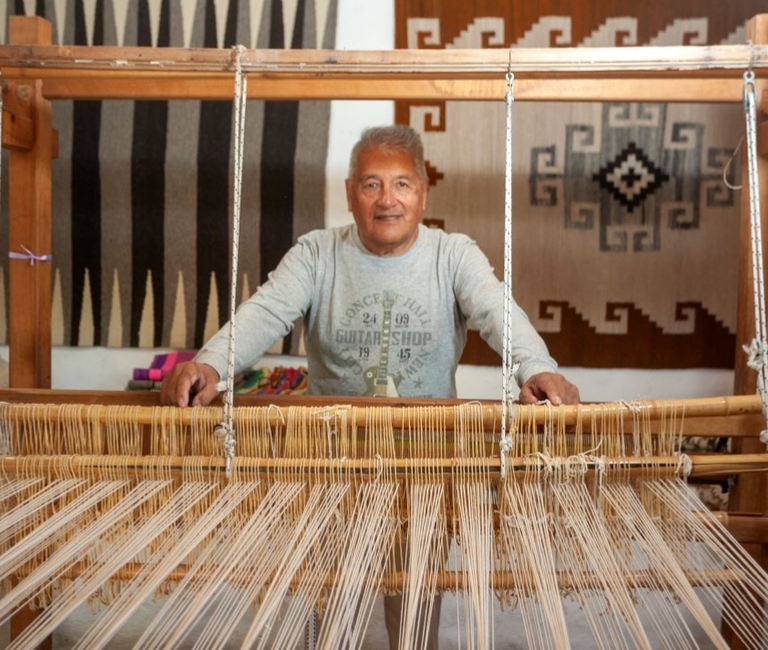
For many years, Hugo Astorga has made a living from the art he creates with his hands. In that very spot, long ago, stood an imposing carob tree, which a flood eventually swept away. “That’s why my workshop is called that. It’s part of my story,” says the artisan, who lives in Amaicha del Valle and is a member of the “Manos del Valle Calchaquí” Artisan Route.
Hugo began weaving during a period of unemployment, and he soon discovered in this craft a true source of personal growth. “I have pieces woven by my grandmothers that are over a hundred years old, and one day I thought that if they could make them, I could too,” recalls the artisan, who started in this activity almost overnight. He learned on his own, observing other weavers and paying close attention to their techniques.
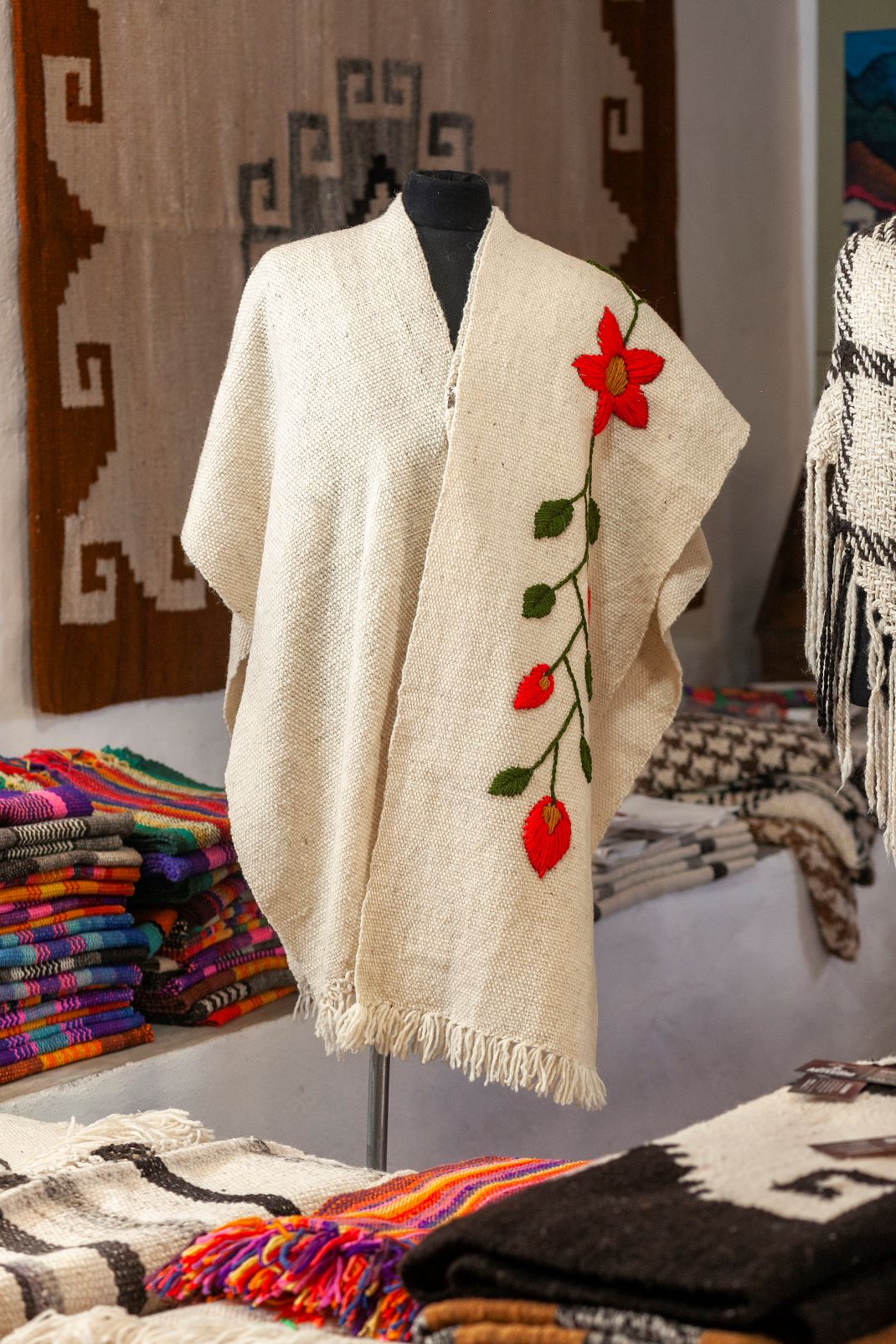
Today, he specializes in crafting tapestries woven and dyed in a wide palette of colors, sometimes using local herbs like chilca and carob resin—the iconic tree that even gave his workshop its name. “In my tapestry designs, I try to respect the symbolism of our ancestral culture,” says Hugo, who seeks to keep his people's traditions alive through his crafts.
“This took me many years, but I achieved it, and today I can say that I make a living from it and continue to do so,” concludes Hugo, whose hands gently resting on the loom reveal the patient and meticulous work of more than four decades dedicated to textile art.

