Mystic Valleys Corridor Experience
Mystic Valleys Corridor Experience
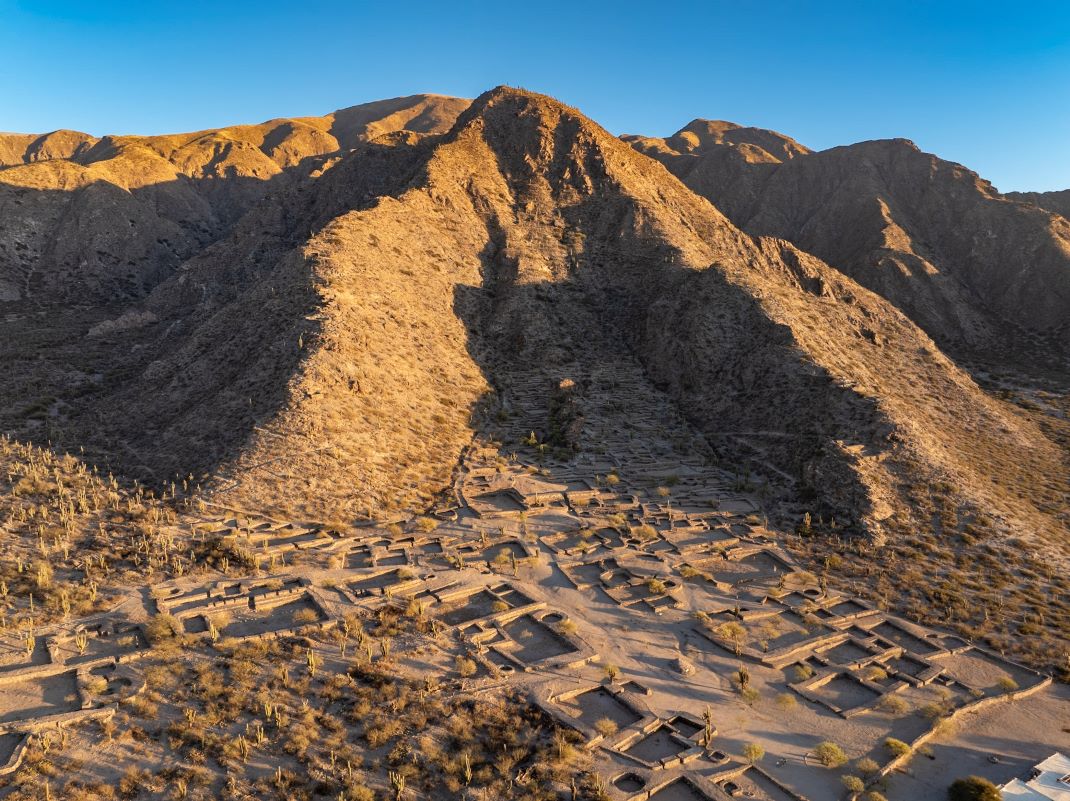
The Mystic Valleys Corridor, made up of the Calchaquí Valley in Tucumán and the Yokavil Valley in Catamarca, is a unique corridor in Northern Argentina and combines nature, living culture, ancestral history, gastronomy and authentic experiences.


In this tourist corridor, the borders between Tucumán and Catamarca dissolve along the legendary Route 40, forging a shared ancestral identity that invites you to experience something deep and authentic.
It's a journey where the imposing nature of the valleys and gorges coexists with the living history of the indigenous peoples, where ancestral mysticism permeates every corner. Where open, clear skies allow us to marvel at the immensity of the cosmos.
It's a path of flavors where intense, aromatic wines are paired with gastronomy that highlights every product of the land. A culture path where artisan hands welcome us and reveal the creativity that resides in each piece.
It's a path of encounter: with rural communities that proudly and generously open their doors, sharing their history, identity, and legacy with every visitor.
Visiting the Mystic Valleys Corridor is to experience a multitude of adventures. It's to discover a history that continues to beat strongly in every town.
What You'll Find
Mountains, ravines, vineyards, and picturesque villages shape its landscape.
Crafts, music, and popular festivals forge its cultural heritage.
Museums, archaeological sites, churches, and Jesuit remains build living history.
Regional cuisine, wineries, and wine tourism create its gastronomy.
The Experiences
High-altitude Wine Route and gastronomic circuits: guided winery tours, tastings, tourist services, and local cooking workshops.
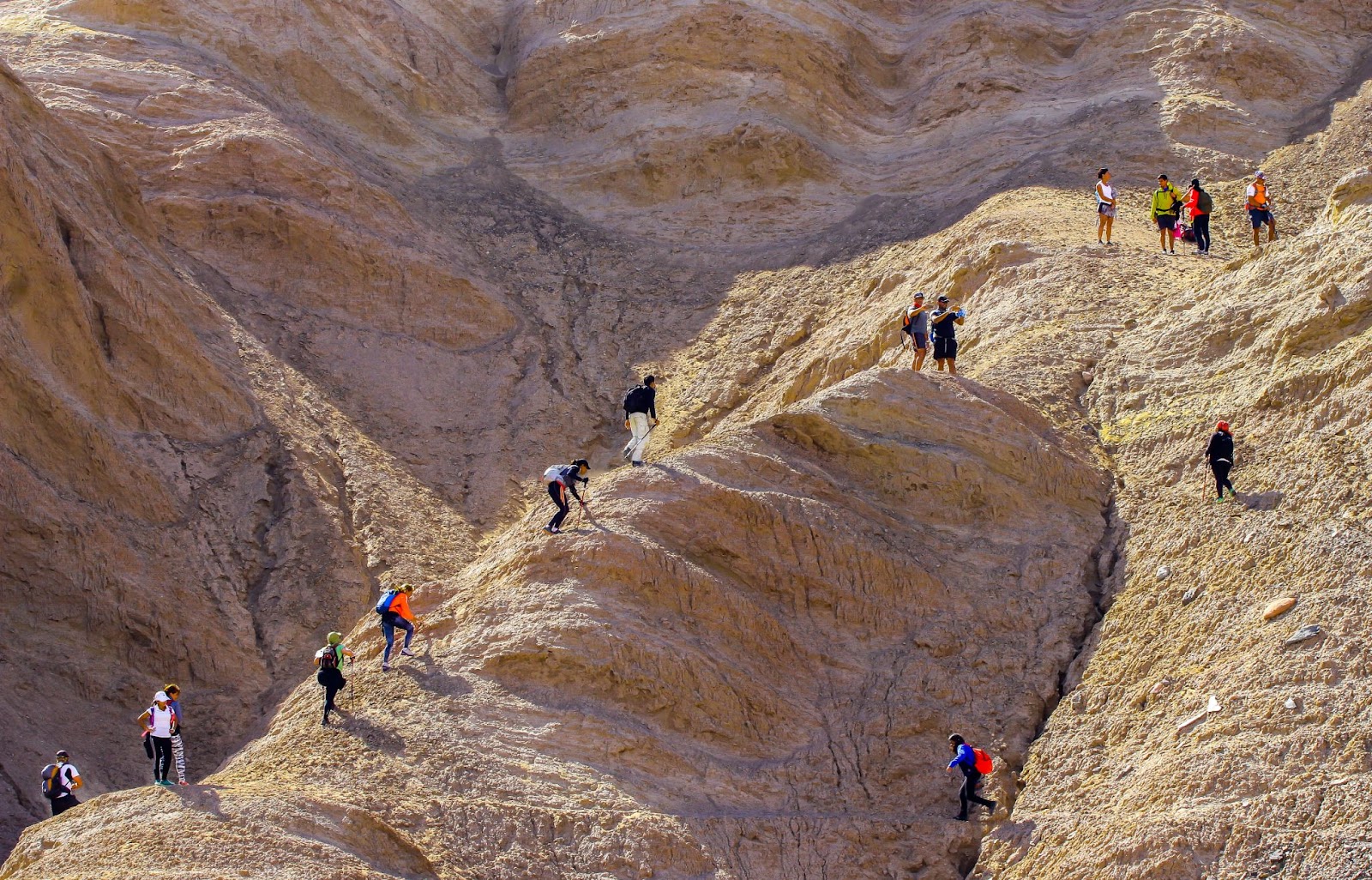
Active and Nature Tourism: hiking, horseback riding, cycling, and treks through unique landscapes.
Cultural and Mystical Tourism: ancestral rituals, craft fairs, and visits to archaeological sites.
Community-Based Rural Tourism: participation in community activities, workshops in weaving, pottery, and agriculture, and accommodation in local families' homes.
Astronomical Tourism: observation of the night and day skies. It offers tourists a unique connection with the universe, linking science with the worldview of the indigenous peoples.
Tourist Services
Accommodation: The corridor offers hotels, inns, guesthouses, and rural lodging.
Gastronomy: Restaurants serving regional cuisine, gourmet experiences, and folk music venues.
Transportation: Access via national and provincial highways, transfer services, and vehicle rentals.
Specialized Guides: Adventure tourism, cultural tourism, wine tourism, sensory tourism, and community-based experiences.
High-Altitude Wine Route
The Mystic Valleys Corridor's main attractions include the High-Altitude Wine Route, which connects Tucumán and Catamarca. While the Calchaquí Valley in Tucumán boasts 11 wineries offering tourist services, wine production in the town of Santa María dates back to the 17th century, a result of the connection between viticulture and the evangelizing mission. In the 20th century, the small wineries of Santa María incorporated technology and became modern, although some still retain their traditional, artisanal character. The wineries are: Bodega Acialba, Prelatura y Parral de los Monjes, Gaucho Santamariano, Don Armando, Puesto del Marqués, Altos del Yokavil, Bodega La Marquesa and Bodega La Rosa.
Astronomy
In line with the Ampimpa Astronomical Observatory, located in the Calchaquí Valley of Tucumán, which offers visits for family groups and student camps interested in enjoying a day close to the cosmos, the Quilla Punco Inclusive Observatory is located in Catamarca, offering views of the clear skies of Santa María. It is situated at the school in the town of Chañar Punco. Here, students reinforce their knowledge and learn science in a hands-on way. The Observatory houses a high-resolution, long-range telescope that allows observation of the planets of the solar system. The site has separate access, a ramp with a slope suitable for people with reduced mobility and disabilities, as well as educational games in Braille.
Ancestral Culture
The Corridor of the Mystic Valleys is a land deeply connected to the beliefs and customs of the indigenous peoples who inhabited the region. Santa María is the first city in the world where a Monument to Pachamama, Mother Earth, was erected. The complex is a cultural and tourist attraction linked to the identity of Santa María. It possesses a symbolic character expressed in its colors, shapes, and materials. It is a figure of a pregnant woman gazing at the cosmos. She stands atop a mound of stones that serves as her altar, known as an Apacheta. Her strong hands support her swollen belly, safeguarding the richness within.
Popular Festivals
Just as the Calchaquí Valley is the cradle of ancient and ancestral celebrations such as the National Pachamama Festival in Amaicha, the Yokavil Valley also invites visitors to enjoy its important festivals. Every year, the Santa María de la Reina del Yokavil Folk Festival is celebrated as part of the festivities honoring the patron saint, Our Lady of Candelaria. Additionally, since 2004, the Capia Festival has been held, originating from the desire to introduce visitors to this local delicacy. During the festival, attendees can sample this product made from capia corn and learn about its preparation.