
A cheese with Geographical Indication
A cheese with Geographical Indication
The product, originally from Tafí del Valle, is part of a prestigious list of Argentine foods that have a certificate of authenticity.
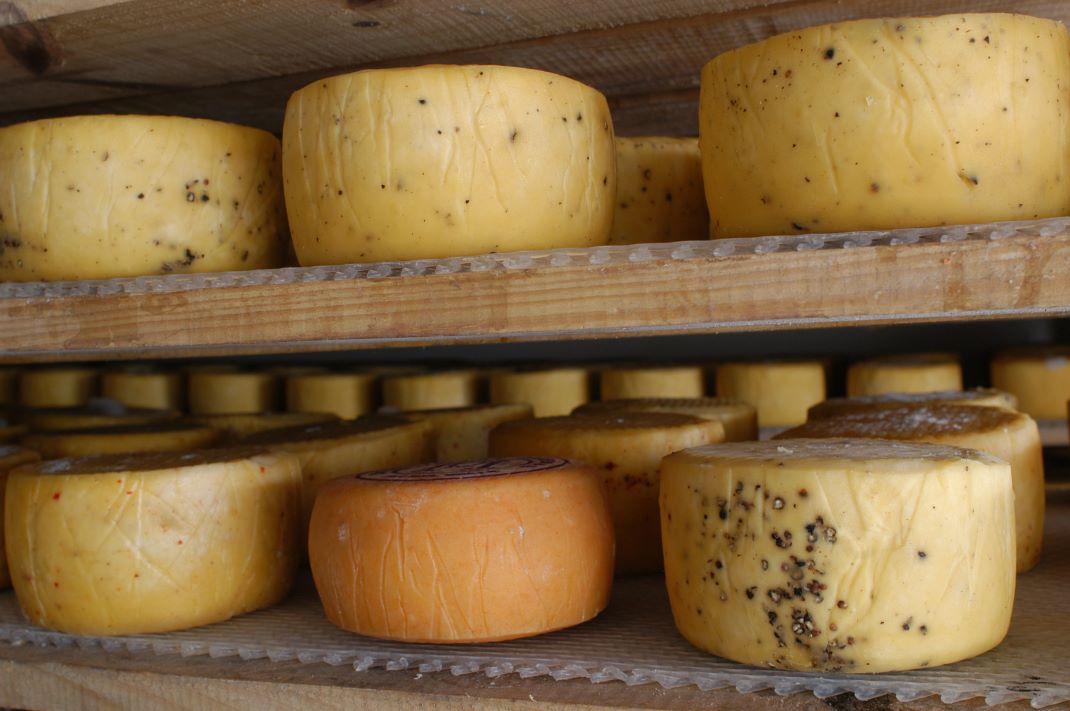
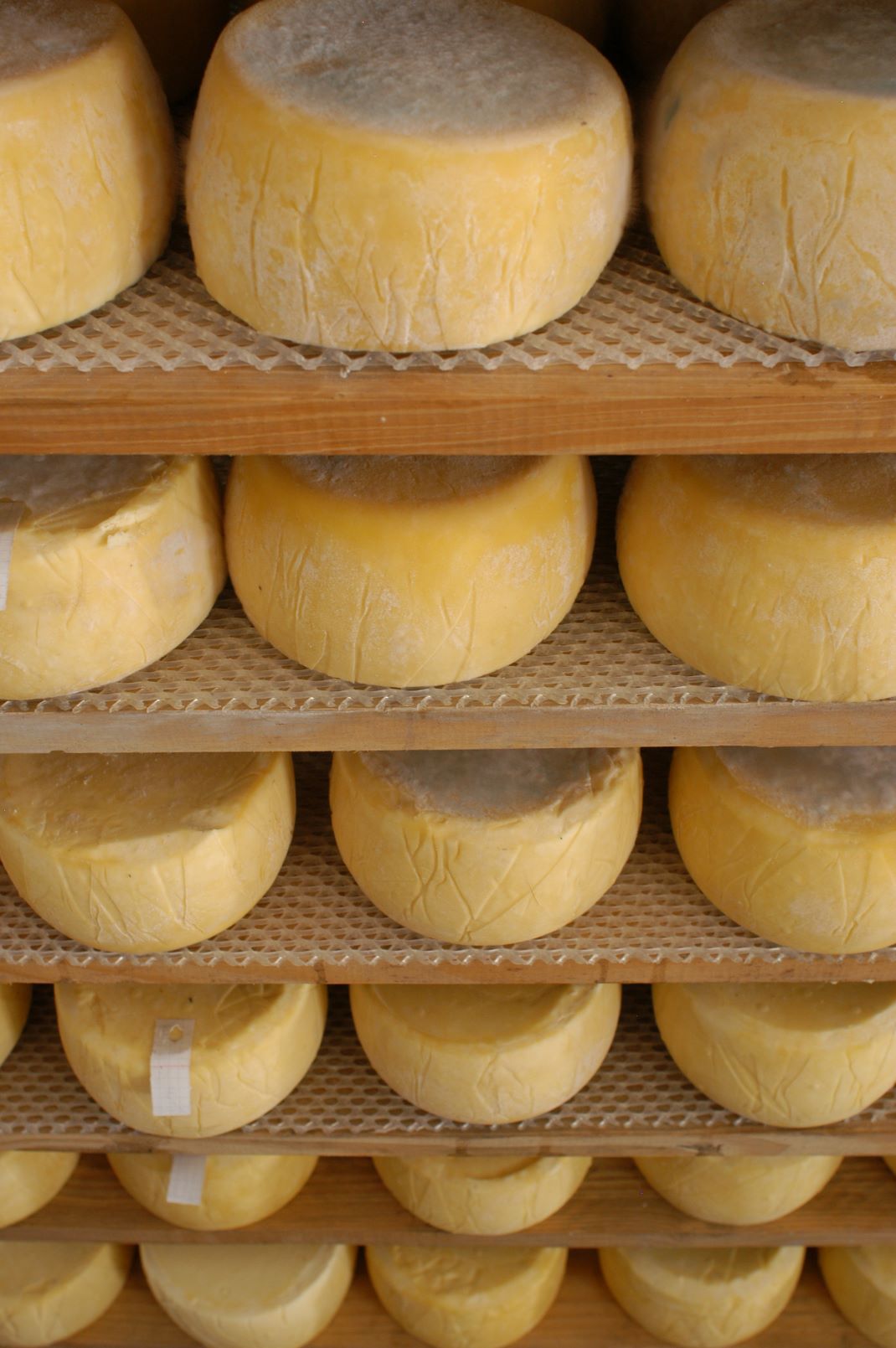
Nestled among the green hills of the Tafí Valley, there is a flavor that tells a story with every bite, its authenticity protected.
Tafí del Valle Cheese boasts a Geographical Indication (GI), becoming the first dairy product in Argentina to achieve this recognition.
This distinction places Tafí cheese on a select map of foods with territorial identity, alongside emblematic products such as Tandil salami, Mendoza olive oil, and Patagonian lamb. But above all, it confirms something that has always been known in Tucumán: this cheese is truly unique.
This achievement is the result of more than 15 years of collaborative work between the Provincial Government, the National Government, and local producers, who championed the need to protect the product's name and highlight what makes it unique: a combination of natural conditions and production knowledge that cannot be replicated anywhere else.
In Tafí del Valle, at over 1,800 meters above sea level, cheese is born in an environment where everything plays a role. The temperate high-altitude climate, wide temperature range, and natural pastures combine to create a unique raw material. The cattle's diet, based on these pastures, imparts specific characteristics to the milk, which then translate into distinctive flavors, aromas, and textures.
To this environment is added the human element. Production techniques, passed down from generation to generation, coexist with improvements incorporated over time, resulting in a product that is both living tradition and constant evolution.
The Geographical Indication (GI) not only protects the name Queso de Tafí del Valle (Tafí del Valle Cheese) from imitations but also guarantees its authenticity, strengthens its connection to the land, and opens new opportunities for its positioning in more demanding markets, promoting local development and value-added production at the source.
To truly understand its essence, one must travel back in time. Until 1585, when the Jesuits arrived in the Governorate of Tucumán. In addition to their evangelizing mission, they introduced agricultural and livestock practices, including the production of Manchego-style cheese. Since then, the tradition has continued: it has adapted, transformed, and taken deep root in the Calchaquí Valleys.
Today, this legacy is also celebrated at the National Cheese Festival, one of the most popular events of the Tucumán summer, where culture, music, and production blend around this gastronomic symbol.

