Sugarcane Route
Sugarcane Route
Tucumán's history has been closely linked to sugar, one of its main sources of income. Therefore, the province invites you to explore its new themed route, which includes visits to attractions and sites of interest connected to this industry.
This route will take you to Tucumán's main sugar mills, with the chance to visit those that are still operating or offer tours (during the harvest season), such as the La Florida Sugar Mill. You can also visit other historic sites, such as the former San Pablo Sugar Mill and the former Lastenia Sugar Mill. Other points of interest include the Casa del Obispo Colombres Sugar Industry Museum and the Jesuit Ruins of San José de Lules, where the first mule-drawn sugar mill in the province once operated.
The Former San Pablo Sugar Mill: A Sugarcane Complex Converted into a University
The Frenchman Jean Nougués planted the first rows of sugarcane in the province in 1832, and by 1880, his sons modernized the factory, which became one of the most important in Tucumán.
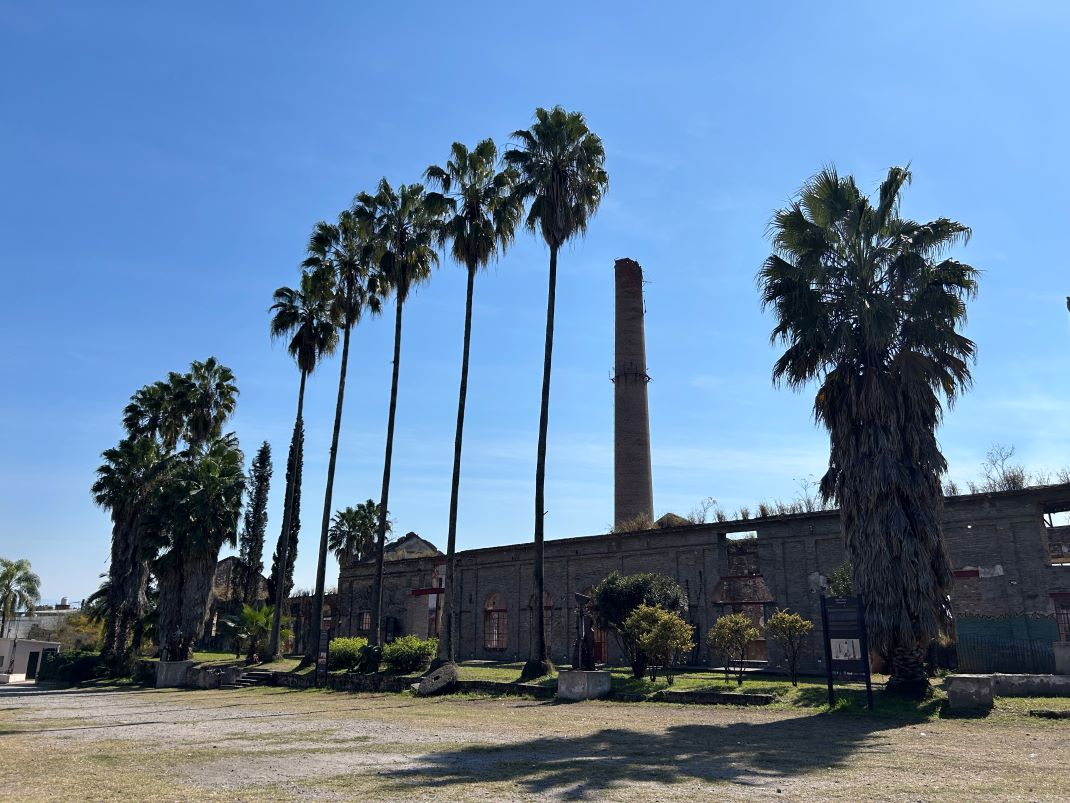
Inside the walls of the former sugar mill, visitors will explore the mystique of an old sugarcane town and hear stories from a significant era in Tucumán. The complex features a stunning English-style Botanical Garden designed by the renowned French landscaper Carlos Thays. There, you can see a chapel, an old greenhouse, and a grotto that housed the Virgin of Lourdes.
Also noteworthy is a chalet, the former home of the founding family, which hosted many dignitaries, including Theodore Roosevelt, Prince Umberto of Savoy, and Domingo Faustino Sarmiento.
Since 2007, this iconic mill has been home to the Universidad San Pablo Tucumán, the first private, secular university in northwestern Argentina and the first established in the 21st century.
Currently, the site features an Interpretive Walk with historical and informative signage about the former sugar mill.
La Florida Sugar Mill: The Power of Today's Industry
Founded in 1894 by the García family, it was one of the pioneering sites of industrialization and has become a symbol of Tucumán. Its ornate English-style building is a historic relic, and its chalet was long used as a reception site for important visitors. Such was the importance of this site that the La Florida and Luisiana Communes developed around it.
During Juan Carlos Onganía's dictatorship in 1966, La Florida and the Bella Vista and La Trinidad sugar mills temporarily shut down but reopened the following year.
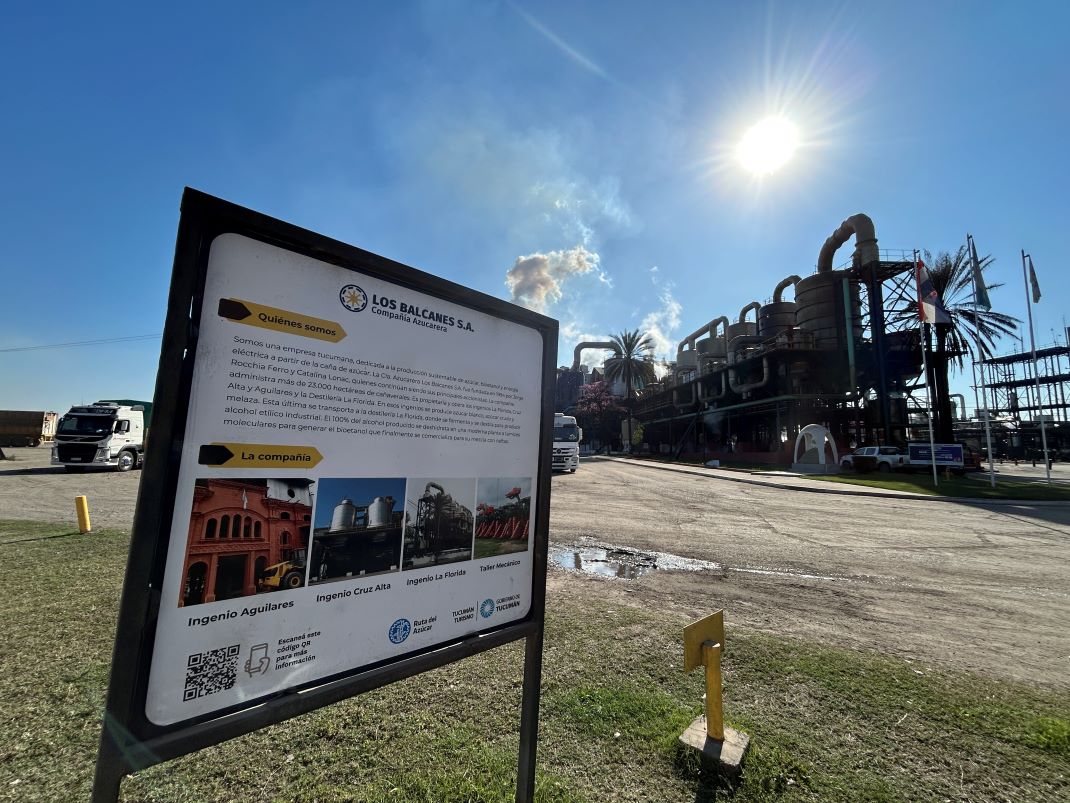
Today, the factory is owned by Compañía Azucarera Los Balcanes, founded in 1994 by Jorge Rocchia Ferro and Catalina Lonac. It manages over 23,000 hectares of sugarcane fields and focuses on the sustainable production of sugar, bioethanol, and electricity from sugarcane. Its annual output includes more than 3.3 billion kilos of sugarcane, over 230,000 tons of sugar, and more than 100 cubic meters of industrial alcohol.
The Sugar Industry Museum - Bishop Colombres House: The Birth of the Sugar Industry
Located in 9 de Julio Park, the museum is housed in a country house built in the early 19th century that served as the home of Bishop José Eusebio Colombres, a religious and political figure from Tucumán, a member of Congress in 1816, and founder of the sugar industry.
Inside, visitors can learn about the industry’s origins in the region and how it has developed over time. They can also view the bishop's furniture and personal items. The courtyard features the first wooden sugar mill in Tucumán and antique machinery. It was designated a National Historic Monument in 1941.
The museum is part of the Municipality of San Miguel de Tucumán and offers free tours. Schools must schedule appointments for tours.
The Ruins of San José de Lules: The Jesuits, precursors to the introduction of sugarcane
Until their expulsion in 1767, the Jesuit order conducted important evangelical work in the region and in Tucumán. On the Los Lules ranch, there was a sugarcane field that stands as a reminder of the early sugarcane industry there. The first mule-drawn sugar mill in the province also operated on this land, which was later moved by Bishop Colombres to the Sugar Industry Museum. After the Jesuit Order left Tucumán, the industry declined until it was revived by the bishop.
The Jesuit Ruins are open Monday through Friday from 8:30 a.m. to 1:00 p.m. For reservations, call 4816130 or 3814011547.
Sugar Harvest Educational and Experiential Interpretation Center
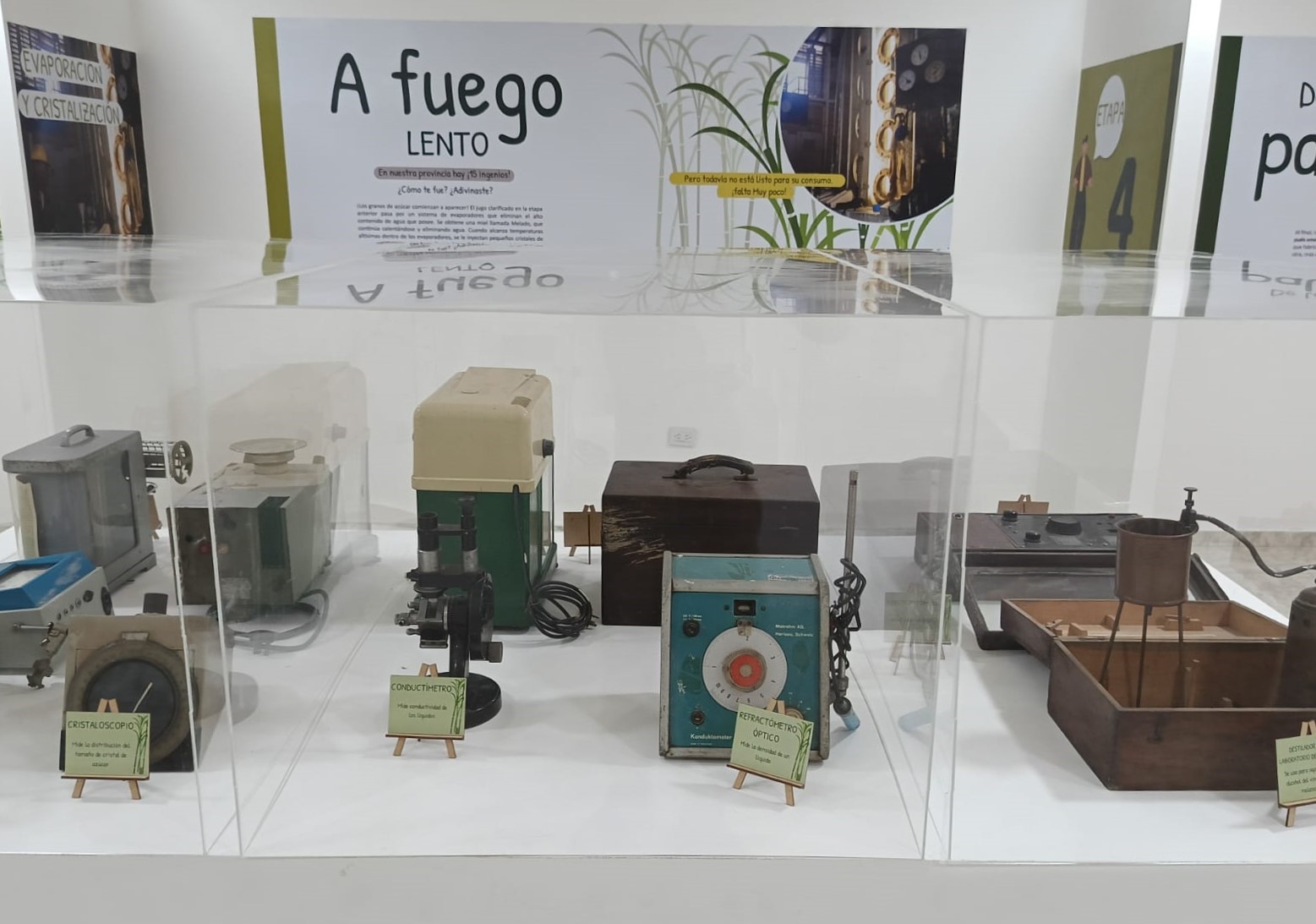
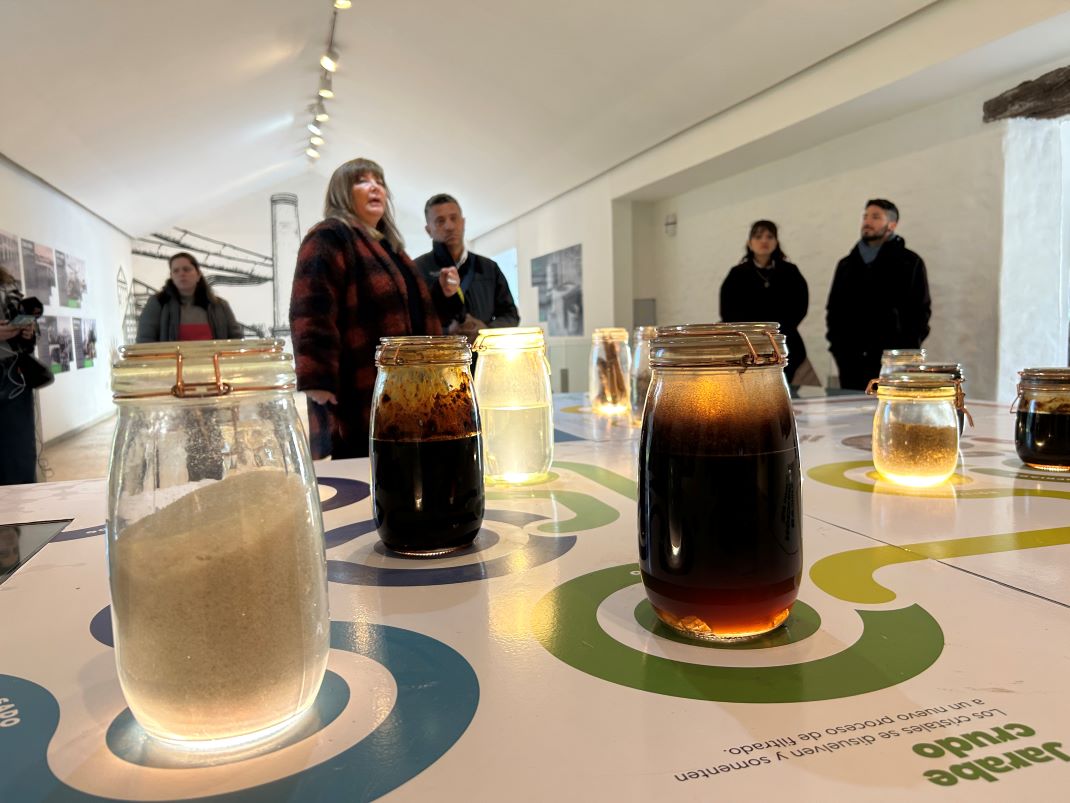
Located in the Historical Theme Park of the city of Famaillá (on Route 301), this place aims to connect visitors with the sugar industry and the heritage left by the mills in our province to this day. The center exhibits historical artifacts from the Tucumán sugar industry, as well as models, visual displays, and interactive resources that create an engaging and entertaining experience.
The center can be visited from Monday to Sunday from 8:00 a.m. to 1:00 p.m. and from 3:00 p.m. to 6:00 p.m.